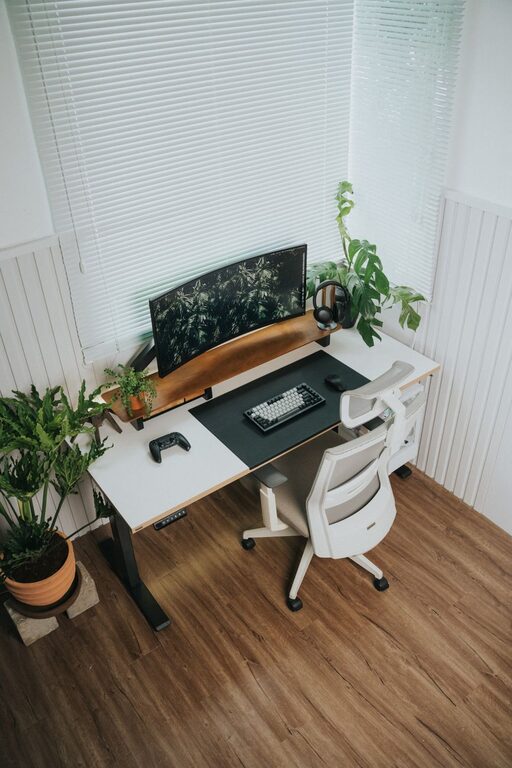
Creating a minimalist home office can transform your work-from-home experience, helping you stay focused and productive. By simplifying your workspace, you reduce distractions and create a calming environment that supports your best work. Here, we’ll explore effective strategies to design a minimalist home office that boosts productivity without sacrificing comfort or style.
Why Choose a Minimalist Home Office?
A minimalist approach means keeping only what you need and love. It’s not about empty, sterile rooms but about intentional design that fosters clarity and efficiency. Minimalist workspaces have been shown to reduce stress, improve concentration, and encourage creativity.
Key Elements of a Minimalist Home Office
Before diving into the design process, consider these essential components for your workspace:
– Functional furniture that fits your needs
– Thoughtful organization to keep clutter at bay
– A calm and neutral color palette
– Proper lighting for comfort and focus
– Limited but meaningful decor
Step 1: Select the Right Location
Choose a quiet spot with minimal foot traffic. Natural light is a big plus, so position your desk near a window if possible. Good ventilation can also improve comfort during long work hours.
Step 2: Choose Functional and Simple Furniture
Opt for a desk that suits your workflow—enough surface area without being oversized. A comfortable, ergonomic chair is a must-have to prevent fatigue. Stick to clean lines and neutral colors like white, black, or natural wood tones for a minimalist vibe.
Furniture Tips:
– Consider desks with built-in storage to hide supplies
– Use floating shelves instead of bulky bookcases
– Keep often-used items within arm’s reach
Step 3: Declutter Your Space
One of the biggest productivity killers is clutter. Start by clearing away anything that doesn’t directly support your work.
Decluttering checklist:
– Remove piles of papers or old documents
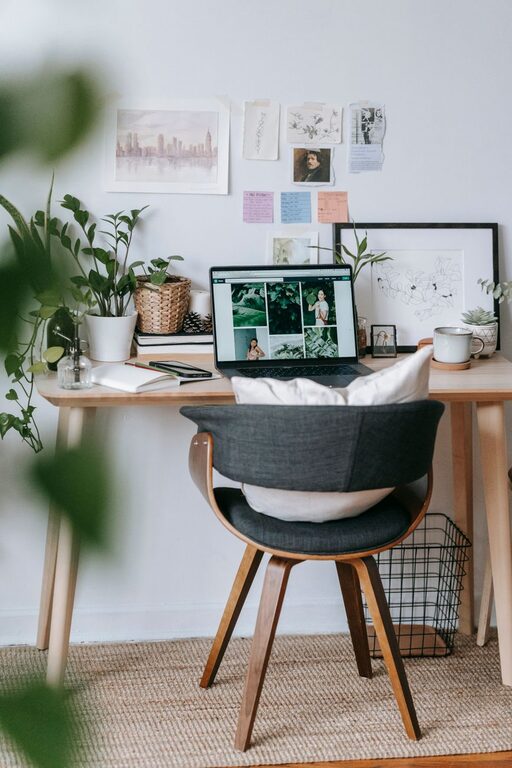
– Limit desk accessories to essentials like a lamp, laptop, and notebook
– Organize cables with clips or hidden cable management boxes
– Use storage boxes or drawers to hide away extra supplies
Step 4: Organize with Purpose
Minimalism is as much about what you keep as how you arrange it. Use smart storage solutions to maintain a clean look.
Organizational ideas:
– Label containers and files for easy access
– Use trays or baskets for small items like pens and chargers
– Set up a digital filing system to reduce paper clutter
– Keep a whiteboard or planner nearby for quick notes
Step 5: Use a Calming Color Palette
Stick to neutral and soft colors such as whites, grays, beiges, or pale blues. These hues help create a serene atmosphere that keeps your mind clear and focused.
If you want to add personality, do so sparingly—one or two accent items in muted colors can add interest without overwhelming the space.
Step 6: Prioritize Lighting
Good lighting reduces eye strain and keeps your energy up. Mix natural light with adjustable task lighting.
Lighting tips:
– Use a desk lamp with adjustable brightness and color temperature
– Position your workstation to avoid glare on your screen
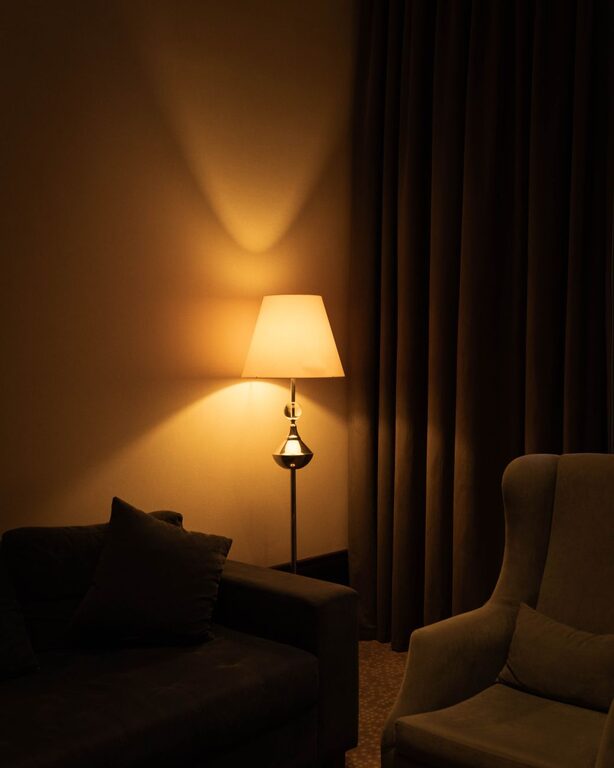
– Incorporate soft ambient lighting for evenings
Step 7: Add Greenery and Minimal Decor
Plants bring life to a minimalist office and improve air quality. Choose low-maintenance plants like succulents or snake plants.
Limit artwork or decor to a few meaningful pieces—this keeps the space inspiring but uncluttered.
Step 8: Personalize Mindfully
While minimalism emphasizes simplicity, your home office should still feel personal. Incorporate items that motivate you, such as a favorite mug, inspirational quote, or family photo—but keep these to a minimum to avoid distractions.
Final Thoughts: Maintain Your Minimalist Office
The key to a successful minimalist home office is ongoing effort. Schedule regular tidying sessions and re-evaluate your setup every few months to ensure it continues to support your productivity.
By focusing on function, simplicity, and intentional design, your minimalist home office can become a peaceful sanctuary that helps you work smarter, not harder.
Start with these tips today and enjoy a cleaner, calmer, and more productive workspace!
About the Author